Welcome to You Are Supported (YAS): Your Partner in Recovery
At You Are Supported (YAS), we believe in empowering individuals on their healing journey.
Founded by a team of medical professionals and survivors, YAS was created to fill a critical gap in post-surgery care: providing comfortable, practical, and supportive solutions for those recovering from chest and upper torso trauma.
Our mission is simple—You Are Supported in every step of your recovery, both physically and emotionally.
Introducing our flagship product:
The YAS Bra
Specially designed with your needs in mind, this bra offers
unparalleled support and comfort like no other during your recovery process.
The Ultimate Post Surgery Bra that's adaptable
- Multiple Closures: The bra features a post-surgery bra front closure that allows you to easily wear and remove the garment without strain or discomfort. As well as right and left side closures for those with shoulder impingements or temporary lack of motion for a variety of reasons.
- Velcro, Not Metal: Prefer something even simpler? Our bra also has Velcro closures with 2" widths for comfort, ensuring a secure fit with minimal effort.
- Premium Materials: Made from soft, breathable fabric, this bra minimizes irritation and promotes healthy healing.






- Customizable Fit: Adjustable straps, chest band, closures for a range of sizes to ensure the perfect fit and desired amount of compression for every body type.
FAQS
Who can benefit from wearing this bra?
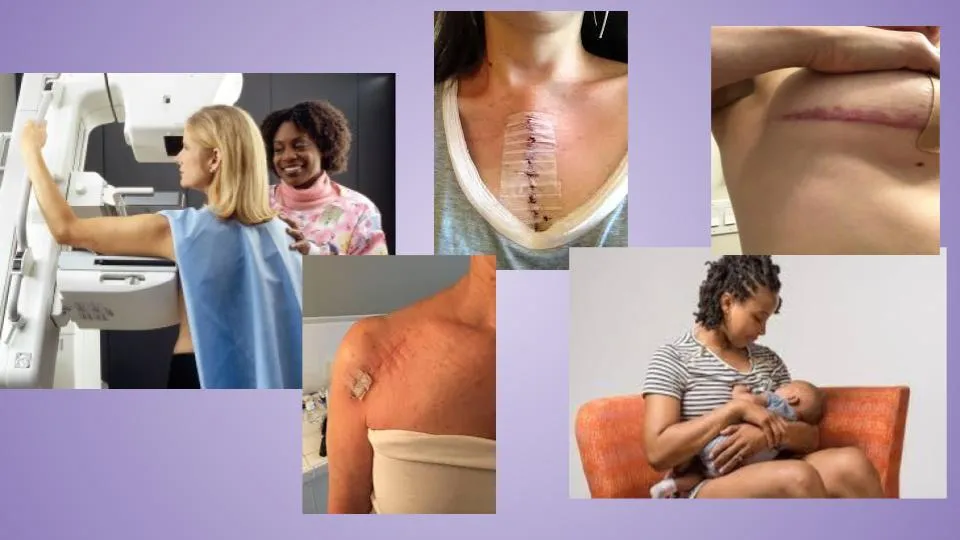
This bra is designed for anyone who has undergone upper torso and chest-trauma, including shoulder impingements mastectomies, lumpectomies, and reconstructive surgeries.
It’s also beneficial for those recovering from biopsies, mastitis, fibroids, calcifications, and even breastfeeding moms who need ice pads or relief from an overzealous mammogram. The bra is designed to provide comfort, breathability, and easy access to JP drains post-surgery.
What features make this bra suitable for post-surgery recovery?
The bra is designed with features that speed recuperation and provide maximum comfort:
- Thick elastic band with two unique drain access points (patent pending) for gentle accessibility and support.
- Front and side openings and strap closures with adjustable, wide luxe Velcro bands for ease of use and breast expansion.
- Breathable, EPA-approved antimicrobial treated mesh lining to support breast and nipple reconstruction.
- Lining pockets in cups and both sides for compression pads, ice and cooling packs to provide post-surgery relief.
- Made of 95% Polyester and 5% Spandex, with plastic buckle adjusters, Velcro, and a wire-free design.
How does this bra support emotional healing?
We understand that healing is not just physical, but emotional as well. That’s why our bras are designed to be comforting and beautiful, helping you feel more confident and supported during your recovery. We strive to build a caring relationship with our customers, offering not just a product, but compassionate support during what may be one of the most challenging times in your life.
Where are these bras designed and manufactured?
Our bras are designed with input from patients and clinicians in the USA to ensure they meet the highest standards of comfort and functionality during recovery.
Recent TitTalk Blogs

National Minority Mental Health Awareness Month
You Are Supported LLC
July 2026
Tit Talk Blog Post
The Invisible Wounds: Medical Trauma, Dignity, and Healing in Marginalized Bodies
A hospital gown offers no privacy and no say. For many people, that loss of control starts before a single test result comes back, because the body already knows who tends to get believed and who doesn't. Medical trauma in marginalized groups isn't only about what happens in the exam room. It's about what happens after, when recovery either hands your control back or keeps it from you.
What Medical Trauma Really Means for Marginalized Communities
Medical trauma isn't only what happens in the moment. It's what stays with you after. For people in marginalized groups, that weight is heavier. Race, gender, and identity shape how you're treated the second you walk through the door, and that treatment leaves a mark long after the appointment ends.
Beyond the Diagnosis: Trauma That Lives in the Body
A diagnosis is a moment. Trauma is what happens next. It shows up in a racing heart before an appointment. In flinching when a stranger reaches for you. In the body remembering what the mind tries to move past. This is medical trauma in marginalized groups: not one bad visit, but a body that stays on guard.
Why Race, Gender, and Identity Change the Weight of Medical Trauma
The same procedure can land differently depending on who you are. A Black woman's pain gets dismissed more often. A transgender patient braces for judgment before they even speak. None of this is imagined. It's documented, and it changes how trauma takes hold.
The Weight of History: Why Trust Doesn't Come Easy
Trust doesn't disappear for no reason. It gets taken, one broken promise at a time. Black patients remember Tuskegee, where men were left untreated for syphilis so doctors could study what happened next. Latinx and Indigenous women remember forced sterilizations, some as recent as the 1970s, carried out without full consent. Japanese American families remember medical neglect behind the fences of internment camps. None of this sits in some dusty textbook. It lives in kitchen table stories, passed down long before anyone reads a headline about it.
Patterns That Echo Today
That history doesn't stay in the past. It shows up when a Latina patient's pain gets waved off as stress. When a Black mother's symptoms get brushed aside until it's too late to brush aside anymore. When an Indigenous patient drives two hours to a clinic and still gets rushed out in ten minutes. Medical trauma in marginalized groups isn't a theory. It's a pattern, repeated enough times that the body learns to brace before the exam even starts.
Where Gender and Identity Intersect With Race in Medical Trauma
Trauma doesn't hit one identity at a time. It stacks. The more identities you identify, the higher and heavier the stack you bear.
When Gender-Affirming Care Meets Racial Bias
Transgender and nonbinary patients already fight to be seen accurately. Add race to that fight and the walls multiply. A Black or Latinx trans patient walks into a clinic bracing for two kinds of judgment before a single word gets spoken. Providers misgender them. Providers question their identity. Providers layer racial assumptions on top of that doubt. This is medical trauma in marginalized groups doing double duty, and it's rarely named out loud.
Women of Color and the Double Burden of Disbelief
Ask a Black, Latina, Indigenous, or Asian woman how many times she's had to fight to get her pain believed. The answer is usually more than once. Women's pain gets minimized across the board. Add race, and it gets minimized harder, faster, and with less follow-up. This isn't one bad doctor. It's a pattern that stretches across specialties, across states, across generations of women who learned to downplay their own symptoms just to get taken seriously at all.
Reclaiming the Body: What Dignity Looks Like During Recovery
Here's the truth nobody puts in the pamphlet: healing isn't only medical, it's personal. When the system has already broken your trust, the fastest way back to safety isn't a policy change. It's your own two hands, back in control of your own body.
Why Independence Feels Like Safety
Independence isn't a luxury during recovery. It's protection. It's safety. When you can dress your own wound, adjust your own garment, manage your own healing without waiting on a stranger, you take back something the system already took once. That control matters more, not less, when trust has already been broken.
The Role of Adaptive, Dignity-Preserving Garments in Recovery
This is where adaptive, dignity-preserving recovery products earn their place. A garment that opens in front and on either side. A garment with no metal clasps digging into healing skin. A garment you can put on yourself, without asking anyone for help you didn't want to need. For a Black, Latinx, Indigenous, Asian, disabled, or LGBTQ+ patient already guarding themselves against a system that's failed them before, that kind of design isn't a convenience. It's a form of respect, built into fabric.
Small Choices, Big Reclamation: Control Over Your Own Healing
Reclaiming your body after medical trauma doesn't start with a grand gesture. It starts small. Choosing what you wear during recovery. Choosing who touches you and when. Choosing a product that was built with your dignity in mind, not as an afterthought. Small choices, stacked together, rebuild what mistrust tore down.
What You Can Do for Yourself: A Patient Advocacy Starting Point
Nobody's coming to fix this system overnight. So here's what you can do today, for yourself, starting now.
Questions to Ask Before and During Treatment
Ask what the procedure involves, in plain language, not medical shorthand. Ask why a treatment is recommended and what the alternatives are. Ask directly if your pain or your concerns are being taken seriously. You have the right to ask, and you have the right to a real answer.
Bringing Support Into the Room With You
Bring someone. A partner, a friend, a family member, an advocate. Someone who can speak up when you're too exhausted, too scared, or too dismissed to do it yourself. You do not have to walk into that room alone, and you shouldn't have to.
Choosing Recovery Tools That Put You Back in Control
Pick recovery tools built around your independence, not around what's easiest for a provider to manage. That includes adaptive clothing, that includes asking for culturally responsive care, that includes refusing to settle for a provider who won't meet you where you are.
Frequently Asked Questions
What is medical trauma, and how is it different from general trauma? Medical trauma comes from experiences inside the healthcare system itself: a dismissed symptom, a rough procedure, a provider who didn't listen. It leaves the same physical and emotional marks as other trauma, but it's tied specifically to moments meant to heal you.
Why do marginalized communities experience higher rates of medical mistrust? Because history gave them reasons to. Forced sterilizations, unethical experiments, and generations of dismissed pain built a mistrust that didn't come from nowhere. It came from documented harm.
How does gender-affirming care intersect with racial bias in healthcare? Transgender and nonbinary patients of color often face bias on two fronts at once: judgment tied to gender identity, and judgment tied to race. Neither cancels the other out. They compound. They stack ontop of themselves
What does "dignity in recovery" actually mean? It means having a say in your own healing. Choosing what touches your body, who helps you, and how much control you keep, instead of surrendering all of it the moment you're discharged.
Can adaptive clothing really help with the emotional side of healing? Yes. Clothing that lets you dress yourself, without help you didn't ask for, restores a piece of control that medical trauma often takes away. That control is part of healing, not separate from it.
What can I do if I don't trust my provider? Ask direct questions. Bring support into the room. Seek out providers known for culturally responsive care. And remember: you're allowed to switch providers if the one you have isn't earning your trust.
Conclusion
Systemic change moves slow. Your healing doesn't have to wait for it. Every question you ask, every support person you bring, every choice you make about how you dress your own wounds, that's dignity, reclaimed in real time. Medical trauma in marginalized groups is real, and so is your right to heal on your own terms. 💜

Come Be Social
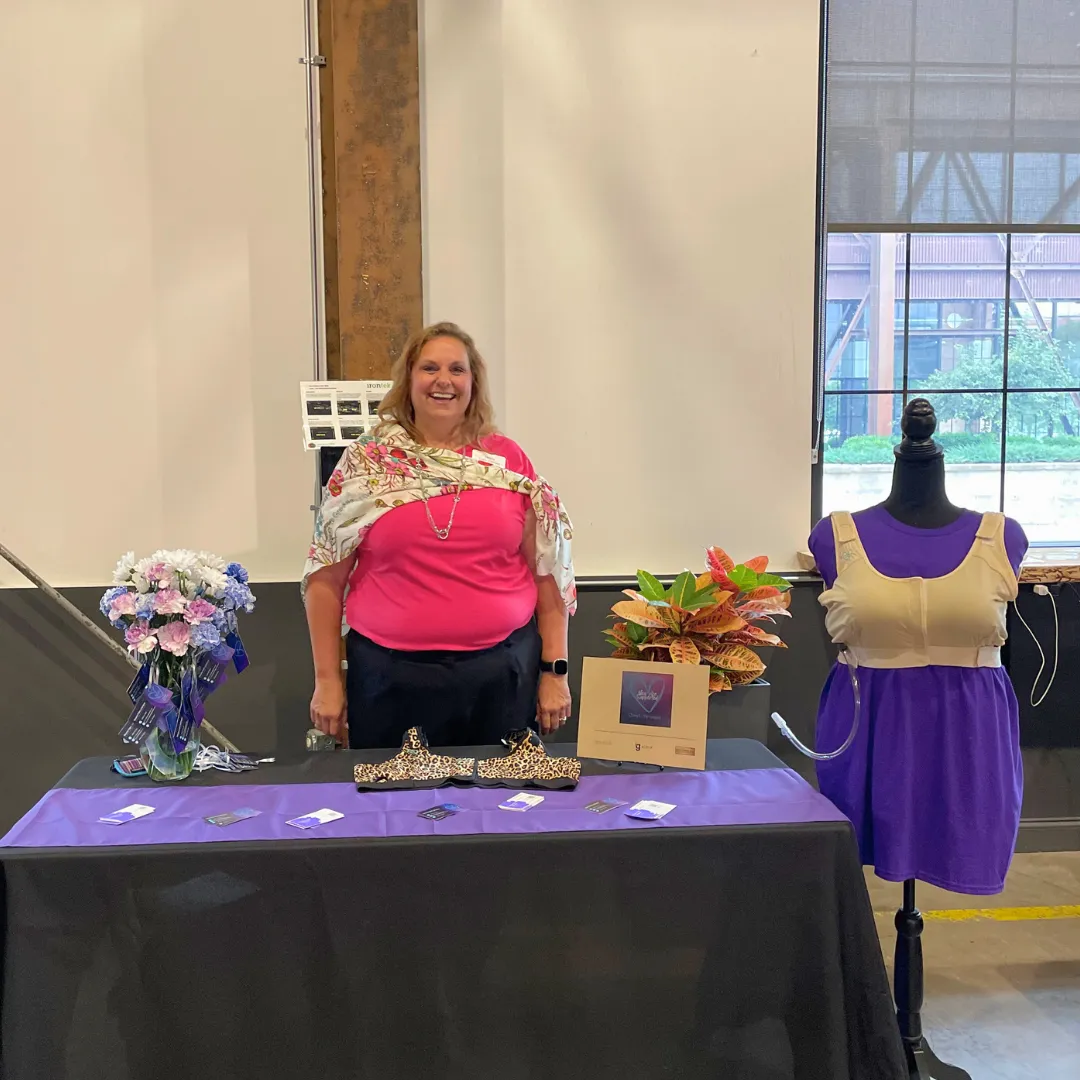
Why did you create this bra?
Hi! I'm Deana!
After undergoing four surgeries on my right breast, I experienced the emotional and physical pain of post-surgery recovery.
The hospital-provided support bras were uncomfortable and lacked any sense of femininity or comfort. I wanted to create something that not only supports physically but also comforts emotionally, with beautiful designs and uplifting colors.
My mission is to provide comforting and comfortable clothing that aids in both the physical and emotional healing process.
Get In Touch
@ Copyright 2024 - You Are Supported LLC All Rights Reserved
Facebook
Instagram