Welcome to You Are Supported (YAS): Your Partner in Recovery
At You Are Supported (YAS), we believe in empowering individuals on their healing journey.
Founded by a team of medical professionals and survivors, YAS was created to fill a critical gap in post-surgery care: providing comfortable, practical, and supportive solutions for those recovering from chest and upper torso trauma.
Our mission is simple—You Are Supported in every step of your recovery, both physically and emotionally.
Introducing our flagship product:
The YAS Bra
Specially designed with your needs in mind, this bra offers
unparalleled support and comfort like no other during your recovery process.
The Ultimate Post Surgery Bra that's adaptable
- Multiple Closures: The bra features a post-surgery bra front closure that allows you to easily wear and remove the garment without strain or discomfort. As well as right and left side closures for those with shoulder impingements or temporary lack of motion for a variety of reasons.
- Velcro, Not Metal: Prefer something even simpler? Our bra also has Velcro closures with 2" widths for comfort, ensuring a secure fit with minimal effort.
- Premium Materials: Made from soft, breathable fabric, this bra minimizes irritation and promotes healthy healing.






- Customizable Fit: Adjustable straps, chest band, closures for a range of sizes to ensure the perfect fit and desired amount of compression for every body type.
FAQS
Who can benefit from wearing this bra?
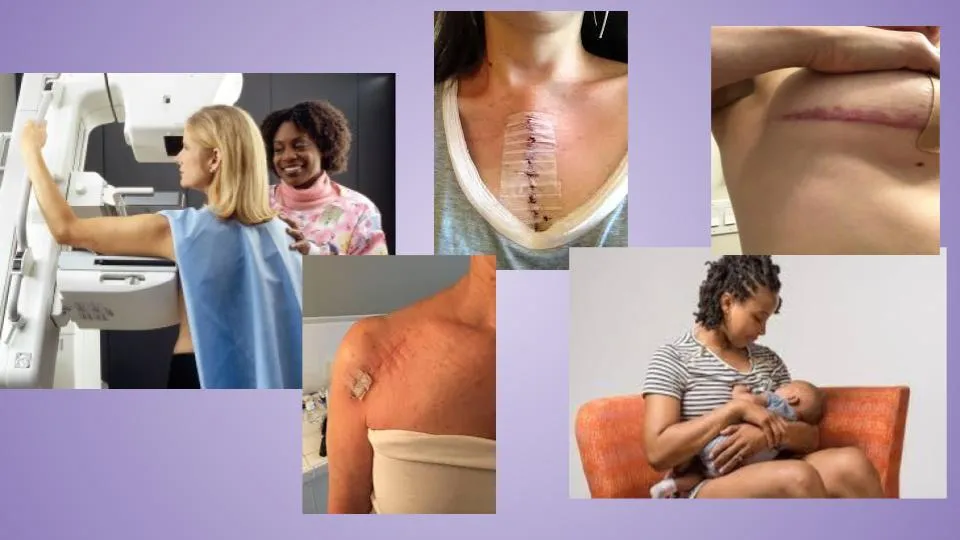
This bra is designed for anyone who has undergone upper torso and chest-trauma, including shoulder impingements mastectomies, lumpectomies, and reconstructive surgeries.
It’s also beneficial for those recovering from biopsies, mastitis, fibroids, calcifications, and even breastfeeding moms who need ice pads or relief from an overzealous mammogram. The bra is designed to provide comfort, breathability, and easy access to JP drains post-surgery.
What features make this bra suitable for post-surgery recovery?
The bra is designed with features that speed recuperation and provide maximum comfort:
- Thick elastic band with two unique drain access points (patent pending) for gentle accessibility and support.
- Front and side openings and strap closures with adjustable, wide luxe Velcro bands for ease of use and breast expansion.
- Breathable, EPA-approved antimicrobial treated mesh lining to support breast and nipple reconstruction.
- Lining pockets in cups and both sides for compression pads, ice and cooling packs to provide post-surgery relief.
- Made of 95% Polyester and 5% Spandex, with plastic buckle adjusters, Velcro, and a wire-free design.
How does this bra support emotional healing?
We understand that healing is not just physical, but emotional as well. That’s why our bras are designed to be comforting and beautiful, helping you feel more confident and supported during your recovery. We strive to build a caring relationship with our customers, offering not just a product, but compassionate support during what may be one of the most challenging times in your life.
Where are these bras designed and manufactured?
Our bras are designed with input from patients and clinicians in the USA to ensure they meet the highest standards of comfort and functionality during recovery.
Recent TitTalk Blogs
Together Through Lung Cancer: Recovering With Connection, Comfort, and Dignity
TIT TALK BLOG POST
Together Through Lung Cancer: Recovering With Connection, Comfort, and Dignity
Subtitle: Cancer Survivors and Caregivers: Small Victories, Shared Strength
On Saturday, August 1, 2026, we mark World Lung Cancer Day. It's a day built around one idea: together through lung cancer. Not alone. Not quiet. Together.
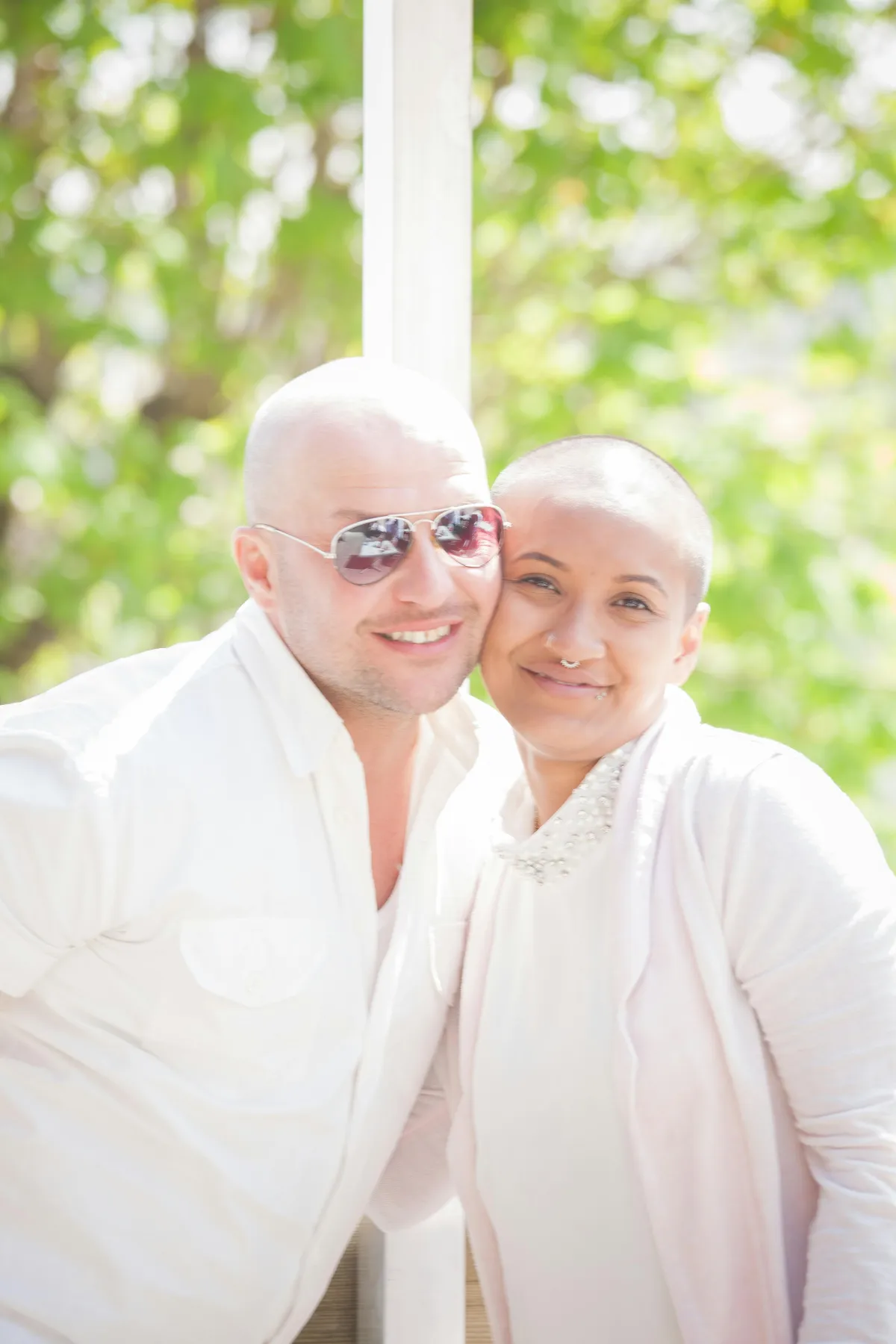
Recovery from lung surgery is physical. It's also isolating. The body moves slower. Simple tasks like getting dressed take longer and hurt more. And it's not just the survivor going through this. A caregiver is right there too, learning how to help without taking over, carrying worry they rarely say out loud.
This year's campaign asks something small but real. Connect. Share. Feel supported. That message matters most in the quiet, ordinary moments of recovery, the ones nobody else sees. Getting dressed without help. Hugging someone without flinching. Sitting upright through a cup of coffee with a friend.
This post is about those moments. It's about what survivors and caregivers actually need, physically and emotionally, and why the right clothing plays a bigger role in that than most people realize. Dignity isn't a soft add-on here. It's part of how healing works.
World Lung Cancer Day and the Together Through Lung Cancer Campaign
This year's campaign has a name and a mission behind it: Together Through Lung Cancer. It's built on the belief that no survivor or caregiver should be facing this alone.
What This Year's Campaign Is Asking Us to Do
The campaign asks something small but real. Connect. Share. Feel supported. It's built on patient ambassadors, support groups, and a WhatsApp community for people living with lung cancer and the people who care for them. The goal isn't awareness for its own sake. It's a hand reaching out to someone who feels isolated in a diagnosis that too often comes with silence or shame.
Why Connection Matters as Much as Clinical Care
Surgery, chemo, and scans get most of the attention. They should. But recovery doesn't happen in a vacuum. It happens at a kitchen table, in a car on the way to an appointment neither person wants to make alone.
A doctor manages the disease. A survivor still has to get dressed every morning. Still has to figure out how to hug their kid without wincing. This is where Together Through Lung Cancer becomes more than a name. Connection is part of recovery, not separate from it. That includes the physical part, which is where we're headed next.
The Physical Reality of Recovering From Lung Surgery
Recovery from lung surgery isn't just a timeline on a discharge sheet. It's a body that hurts to move and simple tasks that suddenly take twice as long.
Common Procedures and Their Impact on Mobility
Lobectomy, thoracotomy, wedge resection. Different names, similar aftermath. Each one cuts through muscle and sometimes bone to reach the lung. The chest wall, shoulder, and surrounding muscles all take a hit. Reaching overhead or lifting a shirt over your head can pull at the incision. This isn't weakness. It's the body protecting a wound still healing.
Managing Surgical Drains and Incision Sites at Home
Many patients go home with a chest tube or drain still in place. Clothing has to work around tubing, not against it. A shirt pulled over the head can catch on a drain line or press on a fresh incision. Incision sites need airflow and gentle coverage, not tight seams rubbing against them all day.
Pain Management and Why Adjustability Matters More Than Compression Alone
Clothing plays a quiet role in pain management too. Too tight adds pressure where the body doesn't need it. Too loose offers no support at all. What helps is adjustability, loosening on a swollen day and tightening on a better one. Recovery changes daily, which is exactly why the right recovery bra needs to change with it.
Why the Caregiver's Experience Deserves Its Own Spotlight
Caregivers rarely get asked how they're doing. Most attention goes to the person who had surgery. But someone is also learning to help without hurting, and that takes its own kind of strength.
The Emotional Load of Watching Someone You Love Recover
Watching someone you love in pain is exhausting in its own way. Caregivers carry worry they don't say out loud. Will this hurt her? Am I helping or getting in the way? There's no manual for this. Most figure it out one uncertain morning at a time, running on too little sleep.
Practical Ways to Help Without Taking Over Independence
The instinct to help is good. But recovery goes better when independence stays intact wherever possible. That might mean laying out clothes within reach instead of dressing someone yourself. It might mean asking "do you want help, or do you want to try first" instead of assuming.
This is where the right clothing quietly changes the caregiver's role too. When a survivor can dress herself, even partway, the caregiver isn't standing in as a nurse every morning. They get to just be a husband, a daughter, a friend again. That's part of what makes this recovery something two people move through together, not something one person manages alone.
Clothing as an Act of Dignity, Not Just Comfort
Comfort gets all the attention in recovery clothing conversations. But comfort is only half the story. Dignity isn't a soft add-on here. It's clinically and emotionally real.
What the Research Says About Clothing, Identity, and Healing
Several studies confirm what patients already know in their bodies. Patients prefer garments that preserve personal identity, dignity, and autonomy, rather than reinforcing a passive "sick role," and having the ability to choose their own clothing enhances a patient's sense of control, contributing positively to emotional well-being. That's not a small finding. It means clothing does real psychological work during recovery, whether we notice it or not.
One recovery wear resource put it plainly: when recovery wear ignores dignity, it adds emotional stress at the exact moment the body needs calm and support, and patients who wore thoughtfully designed alternatives experienced improved comfort, dignity, mobility, and overall wellbeing during recovery. Dignity isn't a nice extra. It's part of the healing itself.
Independent Dressing as a Milestone, Not Just a Task
Getting dressed alone after surgery isn't a small chore. It's a milestone, the first proof the body is coming back. Adaptive clothing helps people maintain comfort, identity, and independence, while for caregivers, it offers relief and a deeper connection to the person they're caring for. When dressing gets easier, the whole relationship gets a little lighter too.
What to Look for in Post-Surgical and Adaptive Clothing
Not every recovery garment is built the same. Here's what actually matters when recovering from lung or thoracic surgery.
Front and Side Openings for Independent Dressing
Anything that has to go over the head is a problem after lung surgery. Reaching overhead pulls on incisions and strains healing muscle. Front and side openings let you dress standing still, without lifting your arms above shoulder height.
Soft, Adjustable, No-Metal Fabric for Sensitive Incisions
Skin around an incision is sensitive for weeks. Metal hardware and underwire can dig in or snag. Soft, adjustable fabric that stretches with the body moves with swelling instead of fighting it, which matters since recovery swelling changes daily.
Chest Band Support for Drains, Ports, and J-Tubing
Many patients go home with a chest tube, port, or J-tubing still in place. A chest band needs room to work around that, with enough width and give to avoid pressing on tubing while still supporting a healing chest wall.
Pockets and Compression Options for Lymphedema Management
Lymphedema can follow chest and lung surgery, especially when lymph nodes are involved. Garments with built-in pockets for compression inserts let patients manage swelling directly, without buying a separate system. Most post-surgical clothing skips this detail entirely.
How the YAS Recovery Bra Was Built for This Exact Moment
Every feature on the YAS Recovery Bra exists because someone needed it during a hard recovery. It's built from the ground up around what post-surgical bodies actually need.
Three Ways to Put It On
The Recovery Bra opens at the front and at both sides. Three ways in, depending on which side hurts or which arm you can lift that day. No single dressing method works for every body every day.
Four-Way Stretch, Fully Washable, Fully Adjustable Compression
The fabric moves in every direction, adjusting to swelling instead of resisting it. It's fully washable, which matters when you're wearing the same few garments on repeat. Compression level is yours to control, not fixed at one setting.
A Chest Band With Five Points of Adjustment and Room for J-Tubing
The chest band adjusts at five separate points, so you're never stuck with one fit. It's built with enough room to accommodate J-tubing, so you're not choosing between support and access to your own medical equipment.
Long Straps, 2 Inches of Velcro at Each Opening, No Metal Hardware
Straps are long and fully adjustable, not a fixed length built for one body shape. Each opening has two inches of velcro for real range as the body changes week to week. There's no metal anywhere to dig in or fight a healing incision.
Built-In Pockets for Lymphedema Compression Control
Pockets in the cups and along the sides hold compression inserts exactly where lymphedema swelling tends to collect. One garment does double duty, support and swelling management, without extra equipment layered on top.t On
Small Victories: A Survivor and Caregiver's Return-to-Life Moments
The following is an illustrative story, not an account of a real individual, built to reflect what many survivors and caregivers describe living through. Some of my personal experience is expressed here.
Carol was six weeks out from a lobectomy when her husband Dave started keeping a quiet list. Not of appointments. Of moments.
The First Hug That Didn't Hurt
Their granddaughter ran at Carol the way kids do, arms wide. Dave caught her out of instinct, ready to redirect. Carol waved him off, bent slightly, braced, and let the hug happen. It didn't hurt the way she expected. That was the first sign her body was coming back.
The Morning She Got Dressed Without Help
Dave walked in with coffee, ready to help her into her bra like every morning since surgery. Carol was already dressed. She'd used the side opening, avoided lifting her arm too high, and done it alone. Neither of them made a big deal of it out loud. Both of them felt it anyway.
The First Coffee Out With a Friend
Carol met a friend for coffee, sat upright in a booth for an hour, and didn't think about her incision once. She came home tired, the good kind of tired that comes from living, not just healing. None of these moments made the news. But for Carol and Dave, they were proof this recovery belonged to both of them.
Finding Your Support Team This World Lung Cancer Day
Recovery goes better with people in your corner. That's the whole premise behind Together Through Lung Cancer.
Patient Support Groups and Ambassador-Led Communities
This year's campaign includes access to patient support groups and a dedicated WhatsApp group run by patient ambassadors, people who've lived through lung cancer themselves. These aren't clinical spaces. They're welcoming ones, built for asking questions you don't want to ask a doctor. Caregivers are welcome too. This isn't a survivors-only space. It's a together space.
Why You Don't Have to Carry This Alone
Lung cancer recovery asks a lot of both people involved. The survivor is relearning their body. The caregiver is relearning how to help without taking over. Neither role should be carried in isolation. Whether support looks like a WhatsApp thread, a friend with coffee, or clothing built to make one part of the day easier, none of it is small. Connection is part of how healing actually happens.
Conclusion
Together through lung cancer isn't just a campaign line. It's what recovery actually looks like when it's working. A survivor relearning her body. A caregiver relearning how to help. Both of them figuring it out together, one ordinary morning at a time.
Dignity isn't a soft add-on to any of this. It's part of the healing itself, and it starts with something as simple as getting dressed without a fight. This World Lung Cancer Day, reach out to a support group, share where you are, or visit youaresupported.com to see clothing built to make one part of your day a little easier.
You don't have to carry this alone. None of us do.
FAQ
What should I wear after lung surgery to make dressing easier?
~Look for front and side openings, soft adjustable fabric, and no metal hardware. Anything that has to go over your head will strain a healing chest and shoulder.
How do I manage a chest tube or drain with my clothing at home?
~Choose garments with enough width and give around the chest band so tubing isn't pinched or pressed. Avoid pullover styles that catch on drain lines.
What clothing features help protect incision sites while healing?
~Loose, breathable fabric with flat seams and no rubbing hardware. Adjustable bands that loosen or tighten as swelling changes day to day.
Can compression garments help after thoracic surgery, and how much do I need?
~Compression can help with swelling and support, but the amount needed changes daily. Adjustable compression, not a fixed level, works best for most recovery timelines.
How can caregivers support a loved one's recovery without taking away their independence?
~Offer help instead of assuming it's needed. Lay out clothes within reach. Ask before stepping in. Let small wins, like dressing alone, stay theirs.
Where can lung cancer survivors and caregivers find community and peer support?
~The Together Through Lung Cancer campaign offers patient support groups and a WhatsApp community run by patient ambassadors, open to survivors and caregivers alike.

Come Be Social
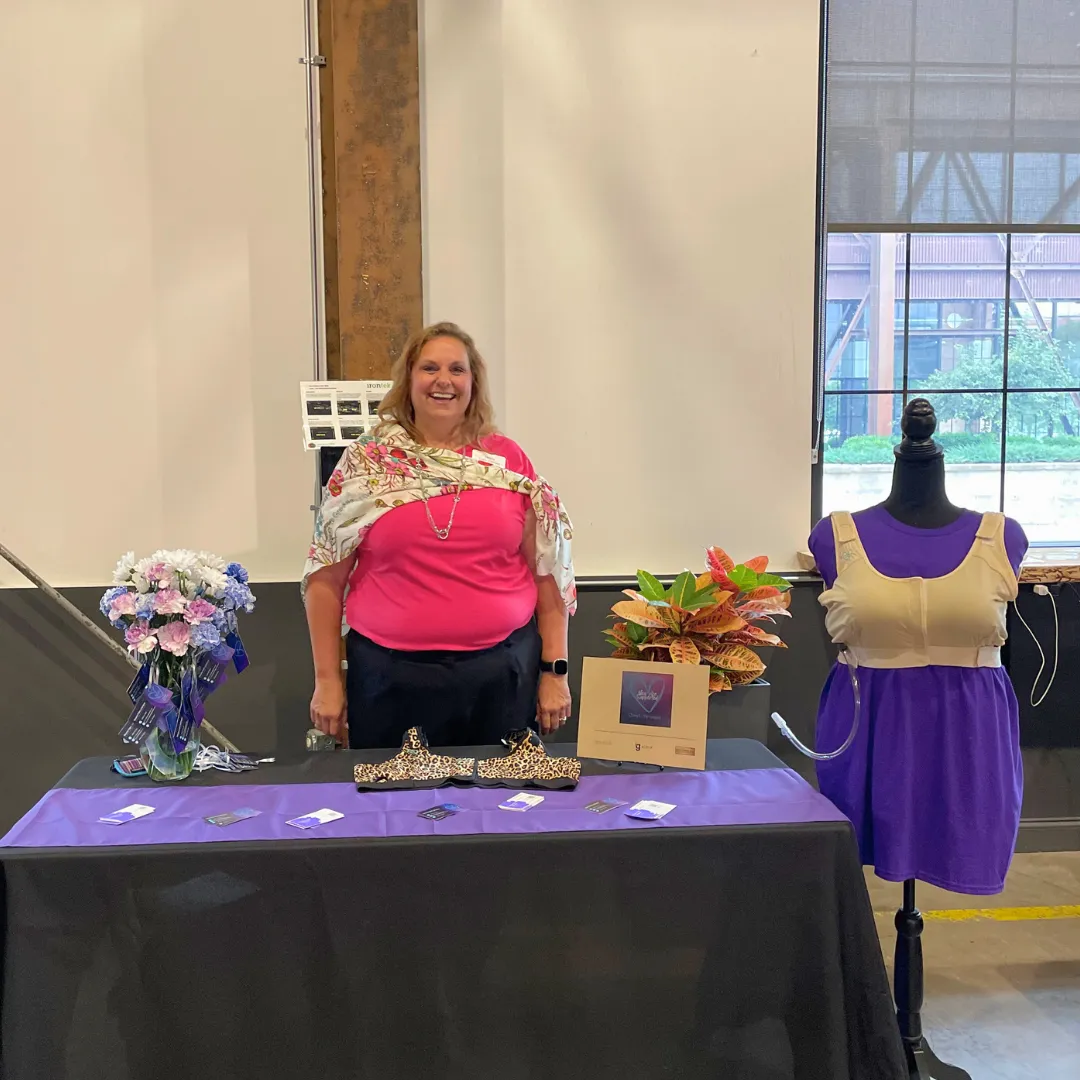
Why did you create this bra?
Hi! I'm Deana!
After undergoing four surgeries on my right breast, I experienced the emotional and physical pain of post-surgery recovery.
The hospital-provided support bras were uncomfortable and lacked any sense of femininity or comfort. I wanted to create something that not only supports physically but also comforts emotionally, with beautiful designs and uplifting colors.
My mission is to provide comforting and comfortable clothing that aids in both the physical and emotional healing process.
Get In Touch
@ Copyright 2024 - You Are Supported LLC All Rights Reserved
Facebook
Instagram